
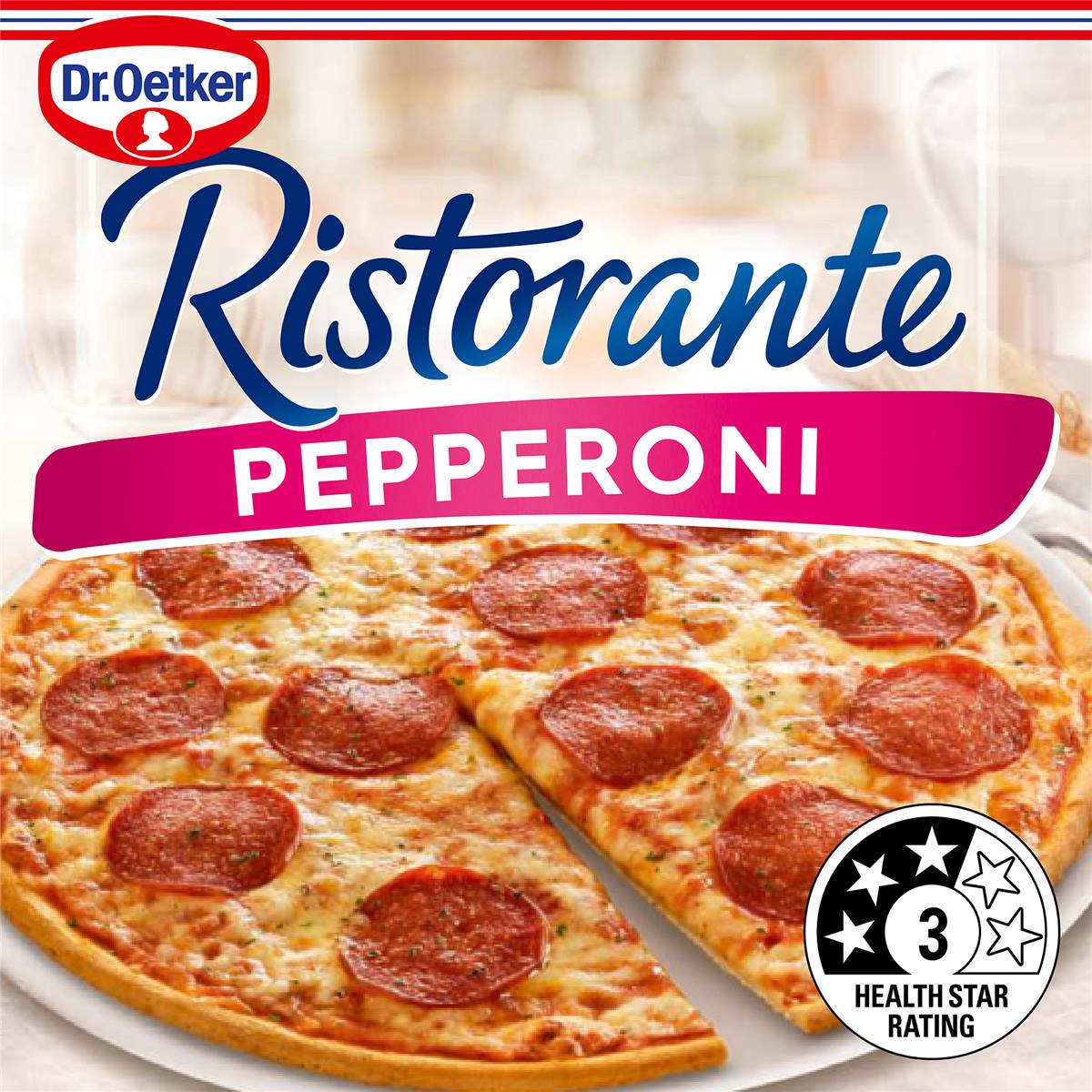
Is Dr. Oetker Ristorante Pizza Pepperoni 310g Alpha-Gal Friendly?
Description
Frozen pizza offers a savory, slightly spicy topping over a thin, crisp crust and a slightly chewy interior; many heat it in the oven for best texture. Shoppers commonly cite consistent flavor, quick preparation and convenience, while reviews note occasional uneven topping distribution and variable browning across batches and reheating.
Scan products instantly
500K+ users • 4.6★ rating


Free download • No credit card
Description
Frozen pizza offers a savory, slightly spicy topping over a thin, crisp crust and a slightly chewy interior; many heat it in the oven for best texture. Shoppers commonly cite consistent flavor, quick preparation and convenience, while reviews note occasional uneven topping distribution and variable browning across batches and reheating.
Scan products instantly
500K+ users • 4.6★ rating
Free download • No credit card
Ingredients
Wheat flour, tomato puree (20%) (tomato paste, water, acidity regulator (citric acid)), Mozzarella cheese (14%) (milk, salt, starter cultures, firming agent (calcium chloride), microbial rennet), fermented pepperoni - heat treated (9.3%) (pork, salt, spices, dextrose, water, onion powder, spice extracts, garlic powder, antioxidants (300, 301, 392), preservative (250), starter cultures, smoke flavour), water, soybean oil, tomato concentrate (3.3%), Edam cheese (2.8%) (milk, salt, starter cultures, firming agent (calcium chloride), microbial rennet), yeast, maltodextrin, sugar, salt, herbs & spices, extra virgin olive oil, modified starch, vitamins (niacin, thiamin, riboflavin, folic acid), mineral (iron).
What is a Alpha-Gal Friendly diet?
An Alpha-Gal diet eliminates mammalian meat and products containing mammalian-derived ingredients to prevent allergic reactions in people with alpha-gal syndrome. This includes beef, pork, lamb, dairy products, gelatin, and certain medications derived from mammals. The condition involves a specific sugar molecule found in most mammals, often triggered after a tick bite. People may experience delayed allergic reactions 3-6 hours after consuming trigger foods. The diet focuses on safe alternatives like poultry, fish, and plant-based proteins. When followed carefully, often with guidance from an allergist or dietitian, it can prevent serious reactions while maintaining adequate nutrition.
Explore other diets
Often paired with Alpha-Gal Friendly
Similar Products
Where to buy
Dr. Oetker Ristorante Pizza Pepperoni 310g is available at 1 retailer
About this product
Frozen Meal · Frozen, Whole