
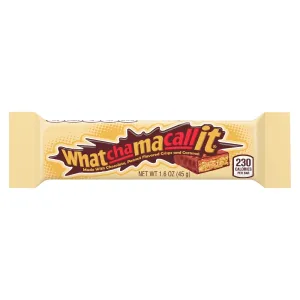
Is Whatchamacallit Alpha-Gal Friendly?
Description
Crunchy, peanut-flavored crisps coated in caramel offer a balance of sweet and savory notes with a crisp snap and slightly sticky finish. Commonly eaten as an on-the-go snack, shared at gatherings, or sprinkled over desserts, reviewers note consistent crunch, pronounced caramel sheen, and occasional commentary on sweetness level and packaging.
Scan products instantly
500K+ users • 4.6★ rating


Free download • No credit card
Description
Crunchy, peanut-flavored crisps coated in caramel offer a balance of sweet and savory notes with a crisp snap and slightly sticky finish. Commonly eaten as an on-the-go snack, shared at gatherings, or sprinkled over desserts, reviewers note consistent crunch, pronounced caramel sheen, and occasional commentary on sweetness level and packaging.
Scan products instantly
500K+ users • 4.6★ rating
Free download • No credit card
Ingredients
Sugar; High Fructose Corn Syrup; Hydrogenated Vegetable Oil [Palm Kernel Oil; Coconut Oil; Soybean Oil]; Rice Flour; Vegetable Oil [Palm Oil; Shea Oil; Sunflower Oil; Palm Kernel Oil; And/Or Safflower Oil]; Partially Defatted Peanuts; Chocolate; Skim Milk; Corn Syrup Solids; Contains 2% Or Less Of: Dairy Butter (Milk); Whey (Milk); Salt; Malt Extract; Mono- And Diglycerides; Lecithin (Soy); Monoglycerides; Molasses; Vanillin, Artificial Flavor; Disodium Phosphate).
Check Whatchamacallit against your own diets in the app.
Take it with you
Scan to open Whatchamacallit in Spoonful
Point your phone camera at the code, the app opens right on this product with its results against 26 diets, allergies and intolerances.


What is a Alpha-Gal Friendly diet?
An Alpha-Gal diet eliminates mammalian meat and products containing mammalian-derived ingredients to prevent allergic reactions in people with alpha-gal syndrome. This includes beef, pork, lamb, dairy products, gelatin, and certain medications derived from mammals. The condition involves a specific sugar molecule found in most mammals, often triggered after a tick bite. People may experience delayed allergic reactions 3-6 hours after consuming trigger foods. The diet focuses on safe alternatives like poultry, fish, and plant-based proteins. When followed carefully, often with guidance from an allergist or dietitian, it can prevent serious reactions while maintaining adequate nutrition.
Explore other diets
Often paired with Alpha-Gal Friendly
Where to buy
Whatchamacallit is available at 1 retailer
About this product
Candy · Bar