
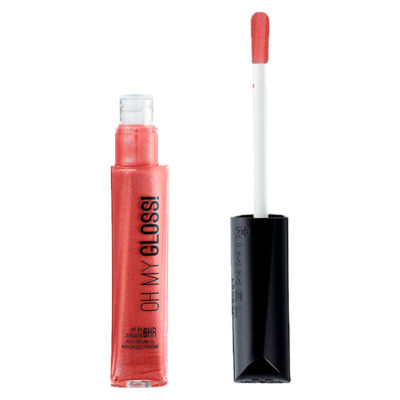
Is Rimmel London Oh My Gloss! 330 Snog 6.5ml Vegetarian?
Scan products instantly
500K+ users • 4.6★ rating


Free download • No credit card
Scan products instantly
500K+ users • 4.6★ rating
Free download • No credit card
Ingredients
Polybutene, Hydrogenated Polyisobutene, Paraffinum Liquidum/Mineral Oil/Huile Minerale, Ethylhexyl Palmitate, Lanolin Oil, Ethylene/Propylene/Styrene Copolymer, Calcium Aluminum Borosilicate, Ethylhexyl Methoxycinnamate, Polyethylene, Synthetic Fluorphlogopite, Phenoxyethanol, Silica, Tocopheryl Acetate, Butylene/Ethylene/Styrene Copolymer, Butyl Methoxydibenzoylmethane, Calcium Sodium Borosilicate, Argania Spinosa Kernel Oil, Methylparaben, Parfum/Fragrance, Propylparaben, Ethylparaben, Linalool, Tin Oxide, BHT, Hydroxycitronellal, Hexyl Cinnamal, [May Contain +/-: Mica, Titanium Dioxide (CI 77891), D&C Red No. 27 Aluminum Lake (CI 45410), Iron Oxides (CI 77491, CI 77492, CI 77499), FD&C Yellow No. 5 Aluminum Lake (CI 19140), D&C Red No. 7 Calcium Lake (CI 15850), D&C Red No. 6 Barium Lake (CI 15850), D&C Red No. 33 Aluminum Lake (CI 17200), FD&C Blue No. 1 Aluminum Lake (CI 42090), FD&C Yellow No. 6 Aluminum Lake (CI 15985), Carmine (CI 75470)]
What is a Vegetarian diet?
A vegetarian diet eliminates meat, poultry, and fish but typically includes dairy, eggs, and plant-based foods. People adopt it for ethical, environmental, or health reasons. This diet emphasizes fruits, vegetables, legumes, grains, nuts, and seeds as key nutrient sources. Vegetarians often get protein from eggs, tofu, beans, and lentils. It can offer health benefits such as reduced risk of heart disease and improved weight management, though attention should be given to nutrients like iron, zinc, and vitamin B12. With proper planning, a vegetarian diet can be both nutritionally complete and sustainable.
Explore other diets
Often paired with Vegetarian
This product may or may not be vegan as it lists 4 ingredients that could derive from animals depending on the source. We recommend contacting the manufacturer directly to confirm.
Details →Yes! We believe this product is dairy free as there are no dairy ingredients listed on the label.
Details →Where to buy
Rimmel London Oh My Gloss! 330 Snog 6.5ml is available at 1 retailer
About this product
Unknown · Liquid