
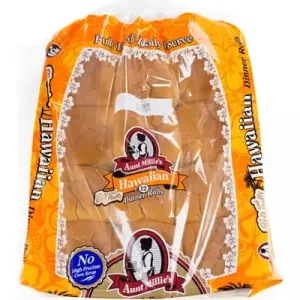
Is Aunt Millie's Hawaiian Dinner Rolls, 12 ct., 18 oz. Alpha-Gal Friendly?
Description
Soft, slightly sweet dinner rolls with a tender, pillowy texture and light golden crust. Commonly used for sliders, pulled-pork sandwiches, holiday dinners, and side servings. Reviewers note consistent softness and pleasant sweetness, convenient pack size, occasional concerns about freshness variability, and suitability for warming, toasting, or freezing for later use.
Scan products instantly
500K+ users • 4.6★ rating


Free download • No credit card
Description
Soft, slightly sweet dinner rolls with a tender, pillowy texture and light golden crust. Commonly used for sliders, pulled-pork sandwiches, holiday dinners, and side servings. Reviewers note consistent softness and pleasant sweetness, convenient pack size, occasional concerns about freshness variability, and suitability for warming, toasting, or freezing for later use.
Scan products instantly
500K+ users • 4.6★ rating
Free download • No credit card
Ingredients
Enriched Flour (Unbleached Wheat Flour, Malted Barley Flour, Reduced Iron, Thiamine Mononitrate (Vitamin B1), Riboflavin (Vitamin B2), Niacin (Vitamin B3), Folic Acid), Water, Yeast, Sugar, Wheat Gluten, Modified Whey, Butter, Salt, Soybean Oil, Cultured Cream, Sorghum Extract, Wheat Protein Isolate, Honey, Calcium Propionate (A ), Yellow Corn Flour, Spice Oil (Turmeric And Annatto), Sodium Stearoyl Lactylate, Calcium Sulfate, Ethoxylated Mono- And Glycerides, Dextrose, Monoglycerides, Natural And Artificial Flavor, Lactic Acid, Vinegar, Modified Corn Starch, Sodium Alginate, Diglycerides, Polysorbate 60, Ascorbic Acid
What is a Alpha-Gal Friendly diet?
An Alpha-Gal diet eliminates mammalian meat and products containing mammalian-derived ingredients to prevent allergic reactions in people with alpha-gal syndrome. This includes beef, pork, lamb, dairy products, gelatin, and certain medications derived from mammals. The condition involves a specific sugar molecule found in most mammals, often triggered after a tick bite. People may experience delayed allergic reactions 3-6 hours after consuming trigger foods. The diet focuses on safe alternatives like poultry, fish, and plant-based proteins. When followed carefully, often with guidance from an allergist or dietitian, it can prevent serious reactions while maintaining adequate nutrition.
Explore other diets
Often paired with Alpha-Gal Friendly
Similar Products
Where to buy
Aunt Millie's Hawaiian Dinner Rolls, 12 ct., 18 oz. is available at 8 retailers
About this product
Bread · Roll