
Is CHOCOLATE SENSATION GLUCOSE CONTROL BALANCED NUTRITIONAL DRINK, CHOCOLATE SENSATION Gluten Free?
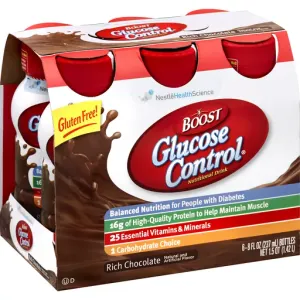
Description
Rich chocolate flavor with a smooth, creamy mouthfeel; some reviewers describe a slightly thin or chalky finish. Commonly consumed as a quick meal replacement or between-meal snack and used for on-the-go convenience. Reviews note generally favorable taste, occasional artificial sweetness or aftertaste, and easy single-serve packaging, praised by many reviewers.
Scan products instantly
500K+ users • 4.6★ rating


Free download • No credit card
Description
Rich chocolate flavor with a smooth, creamy mouthfeel; some reviewers describe a slightly thin or chalky finish. Commonly consumed as a quick meal replacement or between-meal snack and used for on-the-go convenience. Reviews note generally favorable taste, occasional artificial sweetness or aftertaste, and easy single-serve packaging, praised by many reviewers.
Scan products instantly
500K+ users • 4.6★ rating
Free download • No credit card
Ingredients
Water, Milk Protein Concentrate, Tapioca Dextrin, Vegetable Oil (Canola, High Oleic Sunflower, Corn), Less Than 2% Of Fructose, Soy Protein Isolate, Cocoa Processed With Alkali, Sodium Caseinate, Calcium Caseinate, Inulin (From Chicory), Vitamins And Minerals, Partially Hydrolyzed Guar Gum, Salt, Cellulose Gel And Gum, Soy Lecithin, Sucralose, Carrageenan, Natural And Artificial Flavor, Vitamins And Minerals: Calcium Phosphate, Sodium Ascorbate, Choline Bitartrate, Magnesium Phosphate, Ascorbic Acid, Ferric Pyrophosphate, Dl-alpha Tocopheryl Acetate, Zinc Sulfate, Niacinamide, Calcium Pantothenate, Manganese Sulfate, Pyridoxine Hydrochloride, Riboflavin, Vitamin A Palmitate, Thiamine Hydrochloride, Copper Sulfate, Chromium Chloride, Folic Acid, Potassium Iodide, Vitamin K1, Biotin, Sodium Selenite, Vitamin D3, Sodium Molybdate, Vitamin B12
Check CHOCOLATE SENSATION GLUCOSE CONTROL BALANCED NUTRITIONAL DRINK, CHOCOLATE SENSATION against your own diets in the app.
Take it with you
Scan to open CHOCOLATE SENSATION GLUCOSE CONTROL BALANCED NUTRITIONAL DRINK, CHOCOLATE SENSATION in Spoonful
Point your phone camera at the code, the app opens right on this product with its results against 26 diets, allergies and intolerances.


What is a Gluten Free diet?
A gluten-free diet excludes all foods containing gluten, a protein found in wheat, barley, rye, and their derivatives. It's essential for people with celiac disease, gluten intolerance, or wheat allergy, as consuming gluten can trigger inflammation and digestive issues. Common gluten-containing foods include bread, pasta, cereals, and baked goods, though many gluten-free alternatives now exist using rice, corn, or almond flour. Beyond medical necessity, some people choose a gluten-free lifestyle for perceived health benefits, though experts emphasize the importance of maintaining a balanced diet rich in fiber, vitamins, and minerals when eliminating gluten-containing grains.
Explore other diets
Often paired with Gluten Free
No. This product is not dairy free as it lists 3 ingredients that contain dairy.
Details →No. This product is not low FODMAP as it lists 3 ingredients that are likely high FODMAP at 1 serving and 1 ingredient that could be moderate or high FODMAP depending on source or serving size.
Details →Similar Products
Where to buy
CHOCOLATE SENSATION GLUCOSE CONTROL BALANCED NUTRITIONAL DRINK, CHOCOLATE SENSATION is available at 13 retailers
About this product
Beverage · Liquid