
Is Isotonix Vegetarian?

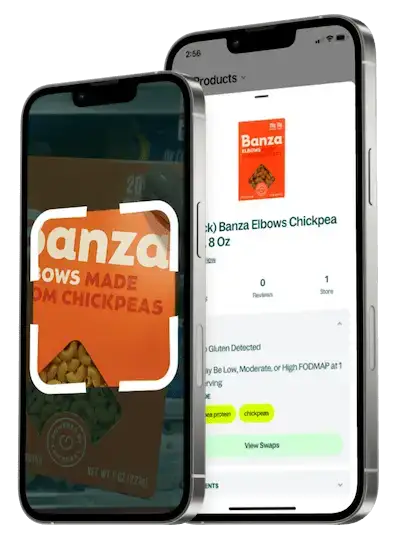
Stop Searching. Start Scanning.
Get instant results with our mobile app
Instant barcode scanning
No typing needed
Multiple diet tracking
Combine as many as you need
Favorite products & lists
Save time on every shop
⭐️⭐️⭐️⭐️⭐️
Join 500,000+ happy shoppers


Free to download • No credit card required
Ingredients
Vitamin C (as 29 mg), Vitamin D3 (as cholecalciferol) 12.5 mcg, Riboflavin (as riboflavin-5-phosphate 1.88 mg and riboflavin), Calcium (as calcium carbonate, calcium lactate, dicalcium phosphate, 375 mg calcium sulfate, and calcium citrate), Magnesium (as magnesium oxide 100 mg and magnesium carbonate), Manganese (as manganese sulfate) 0.5 mg, Sodium (as sodium bicarbonate) 5 mg, Potassium (as potassium bicarbonate 110 mg and potassium citrate), Boron (as boron citrate) 0.5 mg, Other ingredients: Citric acid, orange juice powder, malic acid, natural orange flavor, fructose, rebaudioside A (stevia leaf), natural passion fruit flavor, glucose, natural mango flavor, luo han guo fruit extract, silicon dioxide, beta-carotene, natural French vanilla, stearic acid.
Stop Searching. Start Scanning.
Get instant results with our mobile app
Instant barcode scanning
No typing needed
Multiple diet tracking
Combine as many as you need
Favorite products & lists
Save time on every shop
⭐️⭐️⭐️⭐️⭐️
Join 500,000+ happy shoppers
Free to download • No credit card required
What is a Vegetarian diet?
A vegetarian diet eliminates meat, poultry, and fish but typically includes dairy, eggs, and plant-based foods. People adopt it for ethical, environmental, or health reasons. This diet emphasizes fruits, vegetables, legumes, grains, nuts, and seeds as key nutrient sources. Vegetarians often get protein from eggs, tofu, beans, and lentils. It can offer health benefits such as reduced risk of heart disease and improved weight management, though attention should be given to nutrients like iron, zinc, and vitamin B12. With proper planning, a vegetarian diet can be both nutritionally complete and sustainable.