
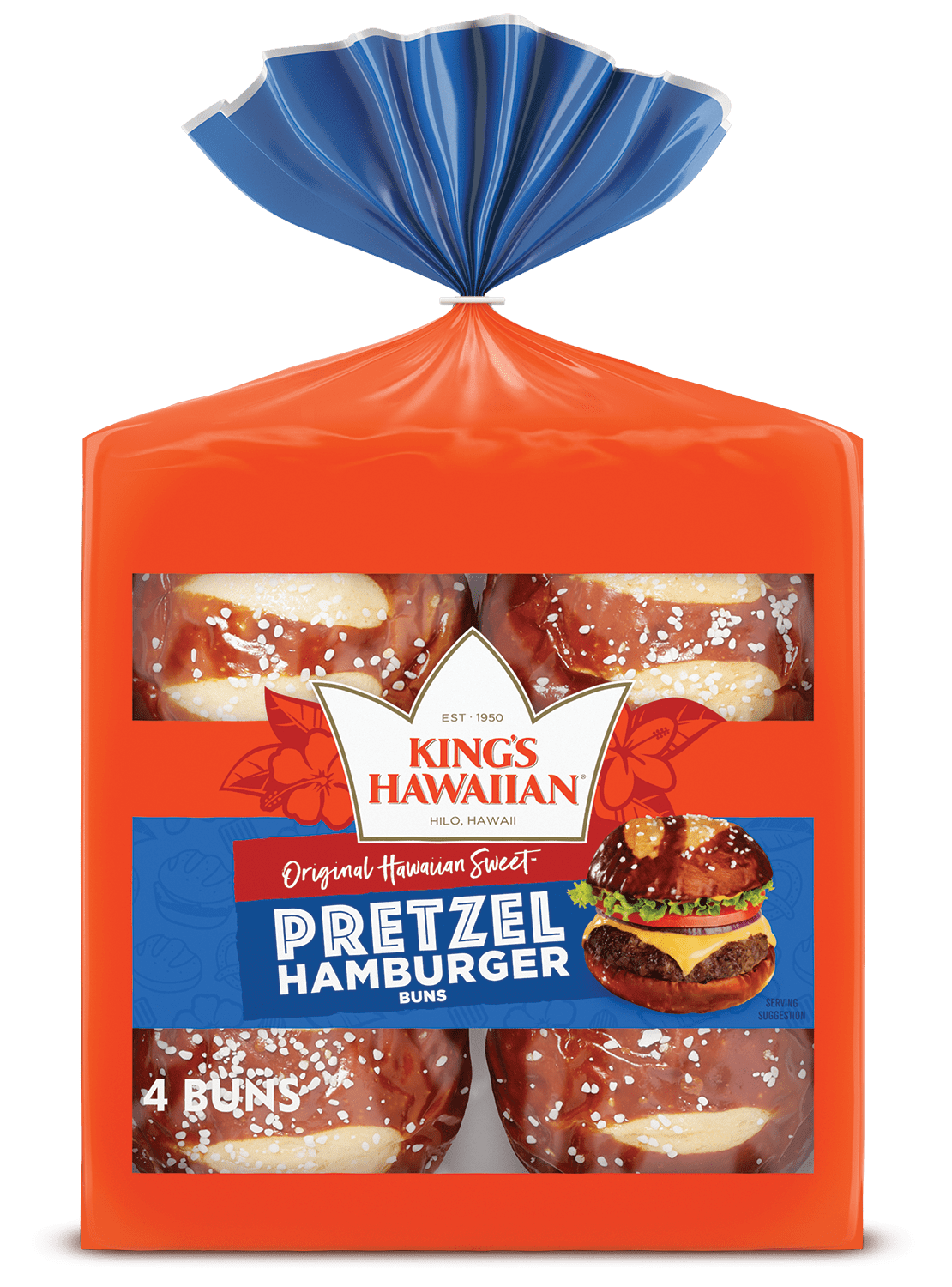
Is Kings Hawaiian Original Hawaiian Sweet Pretzel Hamburger Buns - 10.5 OZ Vegetarian?
Description
Sweet, slightly malty pretzel-style buns with a glossy crust and soft, chewy interior, commonly used for hamburgers, sliders, and sandwiches. Reviewers note a pleasant sweet-salty contrast, sturdiness for grilling, and convenience as sandwich rolls; some report occasional density or sweetness variation between batches and reliable portioning for casual family meals.
Scan products instantly
500K+ downloads • 4.6★ rating


Free download • No credit card
Why it's a maybe for vegetarian
- calcium phosphate
- vitamin a palmitate
- diglycerides
- calcium sulfate
- +9 more
calcium phosphate
Dietitian noteCalcium phosphate, monocalcium phosphate and tricalcium phosphate all refer to a mineral salt which can be found in both rocks and bones. Absent more information on the label, we recommend calling the manufacturer.
Note by Rhyan Geiger, RDN
+9 more in the app
Keep checking with Spoonful
Explore available ingredient explanations and check other groceries against your dietary needs.
Description
Sweet, slightly malty pretzel-style buns with a glossy crust and soft, chewy interior, commonly used for hamburgers, sliders, and sandwiches. Reviewers note a pleasant sweet-salty contrast, sturdiness for grilling, and convenience as sandwich rolls; some report occasional density or sweetness variation between batches and reliable portioning for casual family meals.
Scan products instantly
500K+ downloads • 4.6★ rating
Free download • No credit card
Ingredients
Enriched Flour (Wheat Flour, Malted Barley Flour, Niacin, Reduced Iron, Thiamine Mononitrate, Riboflavin, Folic Acid), Water, Sugar, Margarine [Soybean Oil, Palm Oil, Water, Salt, Contains 2% Or Less Of: Butter, Sweet Cream Buttermilk Solids, Mono- & Diglycerides, Soybean Lecithin, Natural Flavor, Citric Acid, Beta Carotene (Color), Vitamin A Palmitate], Salt, Eggs, Wheat Gluten, Contains 2% Or Less Of The Following: Sodium Silicoaluminate, Fully Hydrogenated Vegetable Oil (One Or More Of The Following: Soybean Oil, Palm Oil, Coconut Oil, And Cottonseed Oil), Pea Protein, Sunflower Oil, Maltodextrin, Dextrose, Potato Flour, Yeast, Sorbitan Monostearate, Ascorbic Acid (Added As A Dough Conditioner), Whey, Corn Flour, Monocalcium Phosphate, Enzymes, Soy Flour, Nonfat Milk, Natural Flavor, Datem, Calcium Silicate (Anti-Caking), Monocalcium Phosphate Monohydrate, Sodium Bicarbonate, Corn Starch, Sodium Stearoyl Lactylate, Sorbic Acid (Preservative), Mono- & Diglycerides, Calcium Sulfate, Ammonium Sulfate, Sodium Hydroxide, Wheat Starch, And Calcium Phosphate.
Check Kings Hawaiian Original Hawaiian Sweet Pretzel Hamburger Buns - 10.5 OZ against your own diets in the app.
Take it with you
Scan to open Kings Hawaiian Original Hawaiian Sweet Pretzel Hamburger Buns - 10.5 OZ in Spoonful
Point your phone camera at the code, the app opens right on this product with its results against 26 diets, allergies and intolerances.


What is a Vegetarian diet?
A vegetarian diet eliminates meat, poultry, and fish but typically includes dairy, eggs, and plant-based foods. People adopt it for ethical, environmental, or health reasons. This diet emphasizes fruits, vegetables, legumes, grains, nuts, and seeds as key nutrient sources. Vegetarians often get protein from eggs, tofu, beans, and lentils. It can offer health benefits such as reduced risk of heart disease and improved weight management, though attention should be given to nutrients like iron, zinc, and vitamin B12. With proper planning, a vegetarian diet can be both nutritionally complete and sustainable.
Explore other diets
Often paired with Vegetarian
Similar Products
Where to buy
Kings Hawaiian Original Hawaiian Sweet Pretzel Hamburger Buns - 10.5 OZ is available at 3 retailers
About this product
Bread · Roll