
Is Maruchan Soup - Ramen Noodle Roast Chicken Flavor Gluten Free?
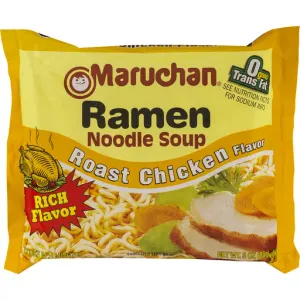
Description
Savory roast-style broth and springy, thin noodles deliver a quick, comforting bowl that many buyers use as a hot snack, light meal, or late-night convenience. Reviews commonly note dependable, bold flavor, fast preparation and affordability; some mention the portion is small and the seasoning can be perceived as oversalty occasionally.
Scan products instantly
500K+ downloads • 4.6★ rating


Free download • No credit card
Why it's not gluten free
- enriched wheat flour
- wheat flour
- wheat
- salt, soy sauce
- soy sauce
- dehydrated soy sauce
- yeast extract
- +1 more
enriched wheat flour
Dietitian noteWheat is the most popular cereal grain in the world. It can be found in a wide variety of foods from pastas and breads to chips and other savory snacks. Wheat and all its derivatives contain gluten.

Note by Team Spoonful, Clinical nutrition experts
+4 more in the app
Keep checking with Spoonful
Explore available ingredient explanations and check other groceries against your dietary needs.
Description
Savory roast-style broth and springy, thin noodles deliver a quick, comforting bowl that many buyers use as a hot snack, light meal, or late-night convenience. Reviews commonly note dependable, bold flavor, fast preparation and affordability; some mention the portion is small and the seasoning can be perceived as oversalty occasionally.
Scan products instantly
500K+ downloads • 4.6★ rating
Free download • No credit card
Ingredients
Enriched Wheat Flour (Wheat Flour, Niacin, Reduced Iron, Thiamine Mononitrate, Riboflavin, Folic Acid), Vegetable Oil (Contains One Or More Of The Following: Canola, Cottonseed, Palm), Preserved By Tbhq, Contains Less Than 1% Of: Salt, Soy Sauce (Water, Wheat, Soybeans, Salt), Potassium Carbonate, Sodium (Mono, Hexameta,, Tripoly), Phosphate, Sodium Carbonate, Turmeric,soup Base: Salt, Contains Less Than 1% Of: Maltodextrin, Monosodium Glutamate, Sugar, Hydrolyzed Corn, Wheat And Soy Protein, Chicken Fat, Dehydrated Soy Sauce (Wheat, Soybeans, Salt), Dehydrated Vegetables (Onion, Garlic, Chive), Yeast Extract, Powdered Cooked Chicken, Spices (Celery Seed), Silicon Dioxide (Anti-caking Agent), Caramel Color, Turmeric, Natural And Artificial Flavor, Disodium Inosinate, Disodium Guanylate, Lactose, Contains Wheat, Soy And Milk , Manufactured In A Facility That Also Processes Crustacean Shellfish Products
Check Maruchan Soup - Ramen Noodle Roast Chicken Flavor against your own diets in the app.
Take it with you
Scan to open Maruchan Soup - Ramen Noodle Roast Chicken Flavor in Spoonful
Point your phone camera at the code, the app opens right on this product with its results against 26 diets, allergies and intolerances.


What is a Gluten Free diet?
A gluten-free diet excludes all foods containing gluten, a protein found in wheat, barley, rye, and their derivatives. It's essential for people with celiac disease, gluten intolerance, or wheat allergy, as consuming gluten can trigger inflammation and digestive issues. Common gluten-containing foods include bread, pasta, cereals, and baked goods, though many gluten-free alternatives now exist using rice, corn, or almond flour. Beyond medical necessity, some people choose a gluten-free lifestyle for perceived health benefits, though experts emphasize the importance of maintaining a balanced diet rich in fiber, vitamins, and minerals when eliminating gluten-containing grains.
Explore other diets
Often paired with Gluten Free
No. This product is not dairy free as it lists 1 ingredient that contains dairy.
Details →No. This product is not low FODMAP as it lists 3 ingredients that are likely high FODMAP at 1 serving and 5 ingredients that could be moderate or high FODMAP depending on source or serving size.
Details →Similar Products
Where to buy
Maruchan Soup - Ramen Noodle Roast Chicken Flavor is available at 9 retailers
About this product
Soup · Dried