
Is Bfree Multigrain Wraps Alpha-Gal Friendly?

Description
Bfree multigrain wraps are a popular choice among many due to their delicious taste. These wraps offer a satisfying and flavorful option for those looking for a multigrain alternative. People appreciate the quality of these wraps and enjoy their taste. With their multigrain composition, these wraps provide a nutritious option for various meal ideas. Overall, Bfree multigrain wraps are well-received and provide a tasty and wholesome addition to any meal.
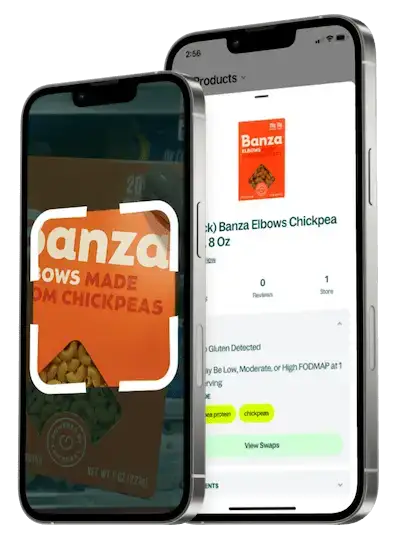
Stop Searching. Start Scanning.
Get instant results with our mobile app
Instant barcode scanning
No typing needed
Multiple diet tracking
Combine as many as you need
Favorite products & lists
Save time on every shop
⭐️⭐️⭐️⭐️⭐️
Join 500,000+ happy shoppers


Free to download • No credit card required
Description
Bfree multigrain wraps are a popular choice among many due to their delicious taste. These wraps offer a satisfying and flavorful option for those looking for a multigrain alternative. People appreciate the quality of these wraps and enjoy their taste. With their multigrain composition, these wraps provide a nutritious option for various meal ideas. Overall, Bfree multigrain wraps are well-received and provide a tasty and wholesome addition to any meal.
Ingredients
Water, Mixed Wholegrain Flours (20%) (Sorghum Flour, Brown Rice Flour, Buckwheat Flour, Millet Flour, Teff Flour, Quinoa Flour, Amaranth Flour), Corn Starch, Tapioca Starch, White Rice Flour, Potato Flour, Thickening Agents (Cellulose, Xanthan Gum, Guar Gum), pea protein inulin, sourdough (fermented quinoa, corn and rice flour), canola oil, salt, raising agents (sodium bicarbonate, monocalcium phosphate), psyllium husk, yeast, preservative (sorbic acid, acids (citric acid, malic acid, tartaric acid), flour treatment agent (ascorbic acid).
Look up any ingredient →Stop Searching. Start Scanning.
Get instant results with our mobile app
Instant barcode scanning
No typing needed
Multiple diet tracking
Combine as many as you need
Favorite products & lists
Save time on every shop
⭐️⭐️⭐️⭐️⭐️
Join 500,000+ happy shoppers
Free to download • No credit card required
What is a Alpha-Gal Friendly diet?
An Alpha-Gal diet eliminates mammalian meat and products containing mammalian-derived ingredients to prevent allergic reactions in people with alpha-gal syndrome. This includes beef, pork, lamb, dairy products, gelatin, and certain medications derived from mammals. The condition involves a specific sugar molecule found in most mammals, often triggered after a tick bite. People may experience delayed allergic reactions 3-6 hours after consuming trigger foods. The diet focuses on safe alternatives like poultry, fish, and plant-based proteins. When followed carefully, often with guidance from an allergist or dietitian, it can prevent serious reactions while maintaining adequate nutrition.
Similar Products
Where to buy
Bfree Multigrain Wraps is available at 1 retailer
About this product
Bread · Sheet