
Is Bfree Multigrain Wraps Vegetarian?

Description
Bfree multigrain wraps are a popular choice among many due to their delicious taste. These wraps offer a satisfying and flavorful option for those looking for a multigrain alternative. People appreciate the quality of these wraps and enjoy their taste. With their multigrain composition, these wraps provide a nutritious option for various meal ideas. Overall, Bfree multigrain wraps are well-received and provide a tasty and wholesome addition to any meal.
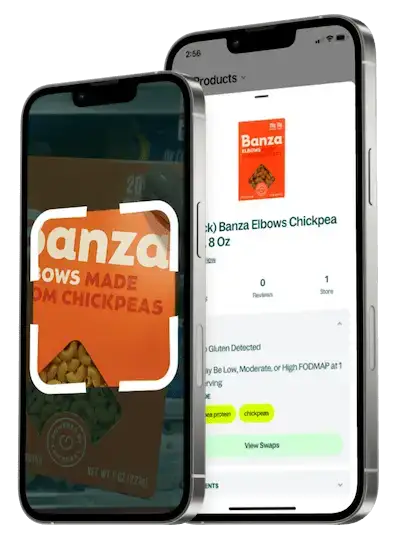
Stop Searching. Start Scanning.
Get instant results with our mobile app
Instant barcode scanning
No typing needed
Multiple diet tracking
Combine as many as you need
Favorite products & lists
Save time on every shop
⭐️⭐️⭐️⭐️⭐️
Join 500,000+ happy shoppers


Free to download • No credit card required
Description
Bfree multigrain wraps are a popular choice among many due to their delicious taste. These wraps offer a satisfying and flavorful option for those looking for a multigrain alternative. People appreciate the quality of these wraps and enjoy their taste. With their multigrain composition, these wraps provide a nutritious option for various meal ideas. Overall, Bfree multigrain wraps are well-received and provide a tasty and wholesome addition to any meal.
Ingredients
Water, Mixed Wholegrain Flours (20%) (Sorghum Flour, Brown Rice Flour, Buckwheat Flour, Millet Flour, Teff Flour, Quinoa Flour, Amaranth Flour), Corn Starch, Tapioca Starch, White Rice Flour, Potato Flour, Thickening Agents (Cellulose, Xanthan Gum, Guar Gum), pea protein inulin, sourdough (fermented quinoa, corn and rice flour), canola oil, salt, raising agents (sodium bicarbonate, monocalcium phosphate), psyllium husk, yeast, preservative (sorbic acid, acids (citric acid, malic acid, tartaric acid), flour treatment agent (ascorbic acid).
Look up any ingredient →Stop Searching. Start Scanning.
Get instant results with our mobile app
Instant barcode scanning
No typing needed
Multiple diet tracking
Combine as many as you need
Favorite products & lists
Save time on every shop
⭐️⭐️⭐️⭐️⭐️
Join 500,000+ happy shoppers
Free to download • No credit card required
What is a Vegetarian diet?
A vegetarian diet eliminates meat, poultry, and fish but typically includes dairy, eggs, and plant-based foods. People adopt it for ethical, environmental, or health reasons. This diet emphasizes fruits, vegetables, legumes, grains, nuts, and seeds as key nutrient sources. Vegetarians often get protein from eggs, tofu, beans, and lentils. It can offer health benefits such as reduced risk of heart disease and improved weight management, though attention should be given to nutrients like iron, zinc, and vitamin B12. With proper planning, a vegetarian diet can be both nutritionally complete and sustainable.
Similar Products
Where to buy
Bfree Multigrain Wraps is available at 1 retailer
About this product
Bread · Sheet