
Is CHOCOLATE PEANUT BUTTER SWEETENED WHOLE GRAIN OAT CEREAL, CHOCOLATE PEANUT BUTTER Dairy Free?

Description
Chocolate peanut butter sweetened whole grain oat cereal chocolate peanut butter is a popular cereal that is loved by many. Its flavor is widely regarded as amazing, and some people find it to be the perfect combination of peanut butter and chocolate taste. However, there are also those who feel that the cereal could have a stronger peanut butter and chocolate flavor. Overall, this cereal is appreciated for its taste, quality, and value by a considerable number of people. It is made with whole grain oats and is sweetened, making it a delicious and wholesome breakfast option.
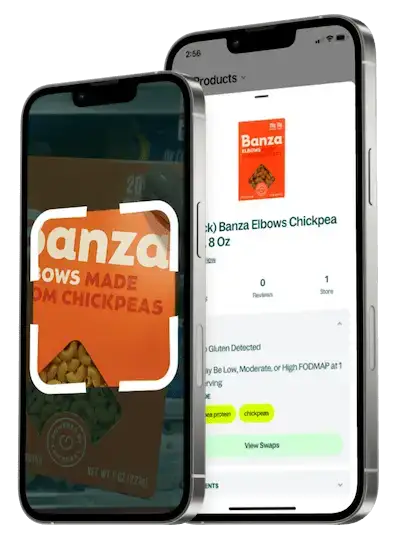
Stop Searching. Start Scanning.
Get instant results with our mobile app
Instant barcode scanning
No typing needed
Multiple diet tracking
Combine as many as you need
Favorite products & lists
Save time on every shop
⭐️⭐️⭐️⭐️⭐️
Join 500,000+ happy shoppers


Free to download • No credit card required
Description
Chocolate peanut butter sweetened whole grain oat cereal chocolate peanut butter is a popular cereal that is loved by many. Its flavor is widely regarded as amazing, and some people find it to be the perfect combination of peanut butter and chocolate taste. However, there are also those who feel that the cereal could have a stronger peanut butter and chocolate flavor. Overall, this cereal is appreciated for its taste, quality, and value by a considerable number of people. It is made with whole grain oats and is sweetened, making it a delicious and wholesome breakfast option.
Ingredients
Whole Grain Oats, Sugar, Peanut Butter (Peanuts, Sugar, Monoglycerides, Peanut Oil, Salt, Molasses, Corn Starch), Dextrose, Corn Starch, Corn Syrup, Canola Oil, Salt, Cocoa Processed With Alkali, Caramel Color, Tripotassium Phosphate, Natural Flavor, Vitamin E (Mixed Tocopherols), Added To Preserve Freshness, Vitamins And Minerals: Calcium Carbonate, Zinc And Iron (Mineral Nutrients), Vitamin C (Sodium Ascorbate), A B Vitamin (Niacinamide), Vitamin B6 (Pyridoxine Hydrochloride), Vitamin B2 (Riboflavin), Vitamin B1 (Thiamin Mononitrate), Vitamin A (Palmitate), A B Vitamin (Folic Acid), Vitamin B12, Vitamin D3
Stop Searching. Start Scanning.
Get instant results with our mobile app
Instant barcode scanning
No typing needed
Multiple diet tracking
Combine as many as you need
Favorite products & lists
Save time on every shop
⭐️⭐️⭐️⭐️⭐️
Join 500,000+ happy shoppers
Free to download • No credit card required
What is a Dairy Free diet?
A dairy-free diet eliminates all foods made from or containing milk and milk-derived ingredients, such as butter, cheese, yogurt, and cream. It's essential for people with lactose intolerance, milk allergies, or those who prefer plant-based alternatives. Common dairy substitutes include almond, soy, oat, and coconut-based milks and cheeses. While dairy is a major source of calcium and vitamin D, these nutrients can be replaced through fortified foods or supplements. Many people find going dairy-free helps reduce digestive issues, acne, or inflammation, but balance and proper nutrient intake remain key for long-term health.