
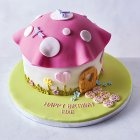
Is Fairy Toadstool Cake Vegan?
Scan products instantly
500K+ users • 4.6★ rating


Free download • No credit card
Scan products instantly
500K+ users • 4.6★ rating
Free download • No credit card
Ingredients
Sugar, water, wheat flour (wheat flour, calcium carbonate, iron, niacin, thiamin), rapeseed oil, glucose syrup, glucose-fructose syrup, unsalted butter (milk), free range whole egg, emulsifiers (mono- and diglycerides of fatty acids, lactic acid esters of mono- and diglycerides of fatty acids, polyglycerol esters of fatty acids, sodium stearoyl-2-lactylate), palm oil (certified sustainable), humectant (vegetable glycerol), raising agents (disodium diphosphate, sodium bicarbonate), stabiliser (tragacanth), flavouring, raspberry purée, apricot purée, salt, dextrose, milk whey powder, preservative (potassium sorbate), colours (beetroot red, curcumin, anthocyanins), caster sugar, wheat starch, maize maltodextrin, spirulina concentrate, gelling agent (pectin), free range dried egg albumen, acidity regulators (citric acid, trisodium citrate), safflower concentrate, vanilla extract, caramelised sugar syrup, coconut oil, glazing agent (white and yellow beeswax)
Check Fairy Toadstool Cake against your own diets in the app.
Take it with you
Scan to open Fairy Toadstool Cake in Spoonful
Point your phone camera at the code, the app opens right on this product with its results against 26 diets, allergies and intolerances.


What is a Vegan diet?
A vegan diet excludes all animal-derived foods, including meat, poultry, fish, dairy, eggs, and honey. It focuses on plant-based sources such as fruits, vegetables, grains, legumes, nuts, and seeds. Many people choose veganism for ethical, environmental, or health reasons. When well-planned, it provides sufficient protein, fiber, and antioxidants, though supplementation or fortified foods may be needed for nutrients like vitamin B12, iron, and omega-3 fatty acids. Vegan diets are associated with lower risks of heart disease and improved digestion but require mindfulness to ensure balanced and complete nutrition.
Explore other diets
Often paired with Vegan
This product may or may not be vegetarian as it lists 8 ingredients that could derive from meat or fish depending on the source. We recommend contacting the manufacturer directly to confirm.
Details →No. This product is not dairy free as it lists 3 ingredients that contain dairy.
Details →Similar Products
Krusteaz Gluten Free Cinnamon Swirl Crumb Cake & Muffin Mix, 20 oz Box
Goodie Girl Gluten Free Birthday Cake Creme Sandwich Cookies- 10.6oz
Trader Joe's Cinnamon Coffee Cake Muffins
GLUTEN FREE PREMIUM CAKE & CUPCAKE MIX WITH CANDY BITS
Simple Mills Almond Flour Chocolate Muffin and Cake Mix, Gluten-Free Baking Mix, 11.2 oz
About this product
Unknown · Slice, Piece