
Is Furikake Roll, 7 oz Vegan?

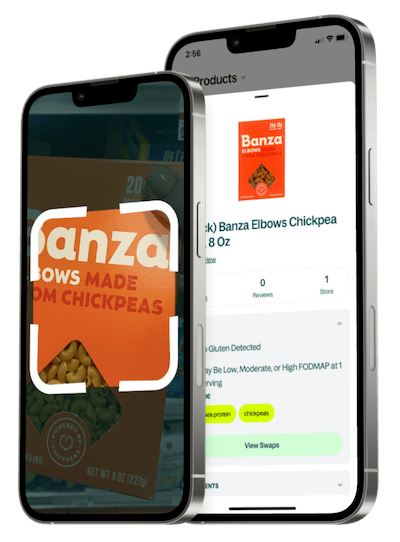
Stop Searching. Start Scanning.
Get instant results with our mobile app
Instant barcode scanning
No typing needed
Multiple diet tracking
Combine as many as you need
Favorite products & lists
Save time on every shop
⭐️⭐️⭐️⭐️⭐️
Join 500,000+ happy shoppers


Free to download • No credit card required
Ingredients
milled rice (water, milled rice, sugar, distilled vinegar, rice vinegar, salt, brown sugar), brown rice (water, brown rice, distilled vinegar, rice vinegar, honey, salt), albacore (raw), cucumber, nori komi furikake (roasted white and black sesame seed, dried green and black seaweed, sugar, salt, hydrolyzed soy protein), ponzu sauce (rice vinegar, water, premium soy sauce (water, soybeans, salt, wheat flour), citrus seasoning (water, distilled vinegar, citric acid, orange juice from concentrate, natural orange flavor, lemon juice from concentrate), orange sauce (sugar, vinegar, premium soy sauce (water, soybeans, salt, wheat flour), orange juice, cooking wine (rice wine, wheat, salt), oyster sauce (water, sugar, salt, oyster, modified corn starch, caramel color, yeast extract, oyster extract), orange juice concentrate, water, ginger), sugar, dashi powder (dried bonito, hydrolyzed corn protein, tuna extract, yeast extract, dextrin, salt, kelp powder), lemon), honey ginger (ginger, water, salt, honey, sugar, vinegar, citric acid, malic acid), green mustard (water, horse-radish, mustard, corn flour, spirulina), soy sauce (water, wheat, salt, soybean, alcohol), red pepper mix (red pepper, peel of mandarin orange, sesame seed, green laver), seaweed
Stop Searching. Start Scanning.
Get instant results with our mobile app
Instant barcode scanning
No typing needed
Multiple diet tracking
Combine as many as you need
Favorite products & lists
Save time on every shop
⭐️⭐️⭐️⭐️⭐️
Join 500,000+ happy shoppers
Free to download • No credit card required
What is a Vegan diet?
A vegan diet excludes all animal-derived foods, including meat, poultry, fish, dairy, eggs, and honey. It focuses on plant-based sources such as fruits, vegetables, grains, legumes, nuts, and seeds. Many people choose veganism for ethical, environmental, or health reasons. When well-planned, it provides sufficient protein, fiber, and antioxidants, though supplementation or fortified foods may be needed for nutrients like vitamin B12, iron, and omega-3 fatty acids. Vegan diets are associated with lower risks of heart disease and improved digestion but require mindfulness to ensure balanced and complete nutrition.