
Is Hello Kitty 50th Anniversary Boba Milk Tea Variety Box Dairy Free?

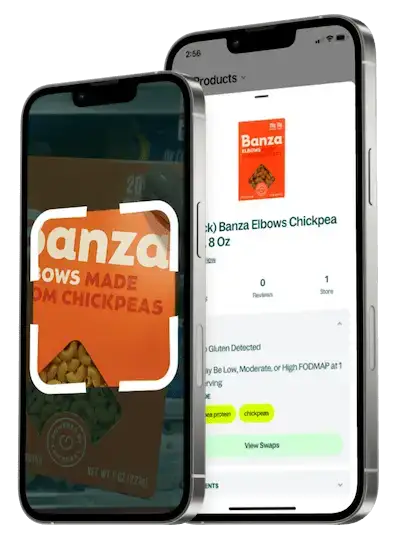
Stop Searching. Start Scanning.
Get instant results with our mobile app
Instant barcode scanning
No typing needed
Multiple diet tracking
Combine as many as you need
Favorite products & lists
Save time on every shop
⭐️⭐️⭐️⭐️⭐️
Join 500,000+ happy shoppers


Free to download • No credit card required
Ingredients
Matcha Boba Milk Tea (Artificially Flavored) Ingredients: water, sugar, boba starch balls (water, modified food starch, glucomannan, xanthan gum, sodium alginate, cocoa powder), whole milk powder, maltodextrin, matcha (green tea powder), mono- and diglycerides, carrageenan, artificial flavors, sodium bicarbonate, salt, FD&C Yellow #5, FD&C Blue No. 1. Contains: Milk Powder. Produced on a line that also handles peanuts, tree nuts, sesame, gluten, and soy. TARO BOBA MILK TEA (Artificially Flavored) Water, sugar, boba starch balls (water, modified starch, glucomannan, xanthan gum, sodium alginate, cocoa powder), whole milk powder, non-dairy creamer (glucose syrup, hydrogenated palm kernel oil, whey powder, sodium caseinate, emulsifiers (mono- and diglycerides, DATEM), dipotassium phosphate, tripotassium phosphate, sodium triphosphate, silicon dioxide), maltodextrin, taro powder, artificial flavors, carrageenan, sodium carboxymethylcellulose, salt, sodium bicarbonate, green tea powder, FD&C Red No. 40, FD&C Blue No. 1. Contains: Milk Powder. Produced on a line that also handles peanuts, tree nuts, sesame, gluten, and soy. THAI TEA BOBA MILK TEA (Artificially Flavored) Water, sugar, boba starch balls (water, modified food starch, glucomannan, xanthan gum, sodium alginate, gellan gum, cocoa powder), whole milk powder, non-dairy creamer [glucose syrup, hydrogenated palm kernel oil, whey powder, sodium caseinate, emulsifiers (mono- and diglycerides, DATEM), dipotassium phosphate, tripotassium phosphate, sodium triphosphate, silica dioxide], black tea, maltodextrin, cassia seed, mono- and diglycerides, artificial flavors, sodium carboxymethyl cellulose, sea salt, sodium bicarbonate, FD&C Yellow No. 6. Contains: Milk Powder. Produced on a line that also handles peanuts, tree nuts, sesame, gluten, and soy.
Stop Searching. Start Scanning.
Get instant results with our mobile app
Instant barcode scanning
No typing needed
Multiple diet tracking
Combine as many as you need
Favorite products & lists
Save time on every shop
⭐️⭐️⭐️⭐️⭐️
Join 500,000+ happy shoppers
Free to download • No credit card required
What is a Dairy Free diet?
A dairy-free diet eliminates all foods made from or containing milk and milk-derived ingredients, such as butter, cheese, yogurt, and cream. It's essential for people with lactose intolerance, milk allergies, or those who prefer plant-based alternatives. Common dairy substitutes include almond, soy, oat, and coconut-based milks and cheeses. While dairy is a major source of calcium and vitamin D, these nutrients can be replaced through fortified foods or supplements. Many people find going dairy-free helps reduce digestive issues, acne, or inflammation, but balance and proper nutrient intake remain key for long-term health.