
Is Nutramigen A+ Hypoallergenic Dairy Free?

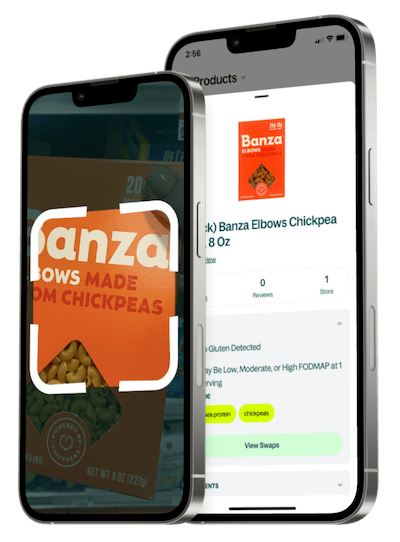
Stop Searching. Start Scanning.
Get instant results with our mobile app
Instant barcode scanning
No typing needed
Multiple diet tracking
Combine as many as you need
Favorite products & lists
Save time on every shop
⭐️⭐️⭐️⭐️⭐️
Join 500,000+ happy shoppers


Free to download • No credit card required
Ingredients
Corn syrup solids, hydrolyzed casein, palm olein oil, modified corn starch, soy oil, coconut oil, high oleic sunflower oil, mortierella alpina oil, l-cystine, crypthecodinium cohnii oil, l-tyrosine, l-tryptophan, taurine, l-carnitine, ascorbyl palmitate, mixed tocopherols, (may contain potassium hydroxide), minerals (calcium citrate, calcium hydroxide, calcium phosphate, cupric sulfate, ferrous sulfate, magnesium oxide, manganese sulfate, potassium chloride, potassium citrate, sodium citrate, sodium iodide, sodium selenite and zinc sulfate), Vitamins (ascorbic acid, biotin, calcium D-pantothenate, choline chloride, di-a-tocopheryl acetate, folic acid, inositol, niacinamide, pyridoxine, hydrochloride, riboflavin, thiamine hydrochloride, vitamin a palmitate, vitamin B12, vitamin D3, and Vitamin K1).
Stop Searching. Start Scanning.
Get instant results with our mobile app
Instant barcode scanning
No typing needed
Multiple diet tracking
Combine as many as you need
Favorite products & lists
Save time on every shop
⭐️⭐️⭐️⭐️⭐️
Join 500,000+ happy shoppers
Free to download • No credit card required
What is a Dairy Free diet?
A dairy-free diet eliminates all foods made from or containing milk and milk-derived ingredients, such as butter, cheese, yogurt, and cream. It's essential for people with lactose intolerance, milk allergies, or those who prefer plant-based alternatives. Common dairy substitutes include almond, soy, oat, and coconut-based milks and cheeses. While dairy is a major source of calcium and vitamin D, these nutrients can be replaced through fortified foods or supplements. Many people find going dairy-free helps reduce digestive issues, acne, or inflammation, but balance and proper nutrient intake remain key for long-term health.