
Is Similac Soy Isomil For Fussiness and Gas Infant Formula with Iron Ready-to-Feed Vegan?

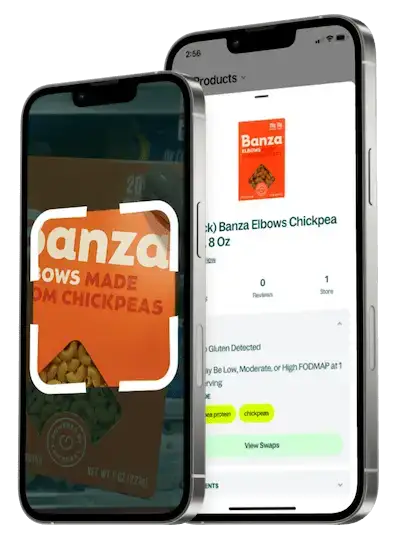
Stop Searching. Start Scanning.
Get instant results with our mobile app
Instant barcode scanning
No typing needed
Multiple diet tracking
Combine as many as you need
Favorite products & lists
Save time on every shop
⭐️⭐️⭐️⭐️⭐️
Join 500,000+ happy shoppers


Free to download • No credit card required
Ingredients
Water (87%), Corn Syrup (6.4%), Soy Protein Isolate (1.9%), High Oleic Safflower Oil (1.3%), Sugar (Sucrose) (1.3%), Soy Oil (1.1%), Coconut Oil (1%), Less than 0.5% of: C. Cohnii Oil [Source of Docosahexaenoic Acid (DHA)], M. Alpina Oil [Source of Arachidonic Acid (ARA)], Beta-Carotene, Lutein, Lycopene, Fructooligosaccharides, Calcium Citrate, Potassium Citrate, Calcium Phosphate, Potassium Phosphate, Potassium Chloride, Monoglycerides, Soy Lecithin, Magnesium Chloride, Carrageenan, Sodium Chloride, Ascorbic Acid, Choline Chloride, L-Methionine, Taurine, Ferrous Sulfate, M-Inositol, Zinc Sulfate, D-Alpha-Tocopheryl Acetate, L-Carnitine, Niacinamide, Calcium Pantothenate, Cupric Sulfate, Thiamine Chloride Hydrochloride, Vitamin A Palmitate, Riboflavin, Pyridoxine Hydrochloride, Folic Acid, Potassium Iodide, Potassium Hydroxide, Phylloquinone, Biotin, Sodium Selenate, Vitamin D3 and Cyanocobalamin.
Look up any ingredient →Stop Searching. Start Scanning.
Get instant results with our mobile app
Instant barcode scanning
No typing needed
Multiple diet tracking
Combine as many as you need
Favorite products & lists
Save time on every shop
⭐️⭐️⭐️⭐️⭐️
Join 500,000+ happy shoppers
Free to download • No credit card required
What is a Vegan diet?
A vegan diet excludes all animal-derived foods, including meat, poultry, fish, dairy, eggs, and honey. It focuses on plant-based sources such as fruits, vegetables, grains, legumes, nuts, and seeds. Many people choose veganism for ethical, environmental, or health reasons. When well-planned, it provides sufficient protein, fiber, and antioxidants, though supplementation or fortified foods may be needed for nutrients like vitamin B12, iron, and omega-3 fatty acids. Vegan diets are associated with lower risks of heart disease and improved digestion but require mindfulness to ensure balanced and complete nutrition.