
Is Specially Selected Artisan Italian Bread Gluten Free?

Description
Crisp exterior yields to an airy, chewy interior with a mild, slightly tangy flavor. Commonly sliced for sandwiches, topped for bruschetta, toasted for crostini, or served alongside soups and salads; suitable for dipping, tearing, and sharing at meals or gatherings. Its firm crumb supports hearty fillings while retaining light bounce.
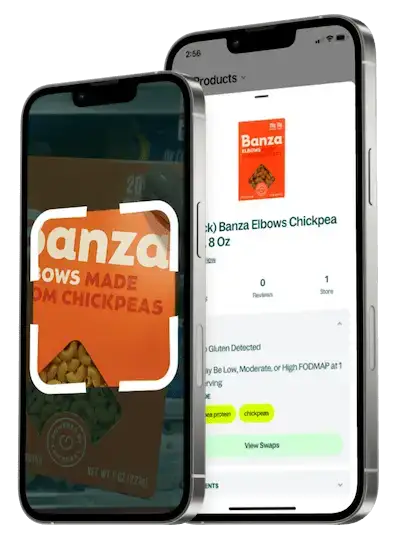
Stop Searching. Start Scanning.
Get instant results with our mobile app
Instant barcode scanning
No typing needed
Multiple diet tracking
Combine as many as you need
Favorite products & lists
Save time on every shop
⭐️⭐️⭐️⭐️⭐️
Join 500,000+ happy shoppers


Free to download • No credit card required
Description
Crisp exterior yields to an airy, chewy interior with a mild, slightly tangy flavor. Commonly sliced for sandwiches, topped for bruschetta, toasted for crostini, or served alongside soups and salads; suitable for dipping, tearing, and sharing at meals or gatherings. Its firm crumb supports hearty fillings while retaining light bounce.
Ingredients
Enriched Flour Wheat Flour, Malted Barley Flour, Niacin, Reduced Iron, Thiamine Mononitrate, Riboflavin, Folic Acid), Water, Contains Less Than 2% Of Dough Conditioner (enriched Flour (wheat Flour, Niacin, Reduced Iron, Thiamine Mononitrate, Riboflavin, Folic Acid, Ascorbic Acid, Enzymes), Malt (malted Barley Flour, Wheat Flour. Tapioca Dextrin), Preservatives (cultured Wheat Starch, Wheat Flour, Citric Acid), Salt, Vinegar, Yeast. Contains: Wheat.
Stop Searching. Start Scanning.
Get instant results with our mobile app
Instant barcode scanning
No typing needed
Multiple diet tracking
Combine as many as you need
Favorite products & lists
Save time on every shop
⭐️⭐️⭐️⭐️⭐️
Join 500,000+ happy shoppers
Free to download • No credit card required
What is a Gluten Free diet?
A gluten-free diet excludes all foods containing gluten, a protein found in wheat, barley, rye, and their derivatives. It's essential for people with celiac disease, gluten intolerance, or wheat allergy, as consuming gluten can trigger inflammation and digestive issues. Common gluten-containing foods include bread, pasta, cereals, and baked goods, though many gluten-free alternatives now exist using rice, corn, or almond flour. Beyond medical necessity, some people choose a gluten-free lifestyle for perceived health benefits, though experts emphasize the importance of maintaining a balanced diet rich in fiber, vitamins, and minerals when eliminating gluten-containing grains.