
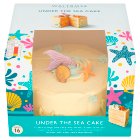
Is Waitrose Under the Sea Cake Vegetarian?
Scan products instantly
500K+ users • 4.6★ rating


Free download • No credit card
Scan products instantly
500K+ users • 4.6★ rating
Free download • No credit card
Ingredients
Sugar, water, unsalted butter (milk), wheat flour (wheat flour, calcium carbonate, iron, niacin, thiamin), rapeseed oil, raspberry jam (glucose-fructose syrup, raspberry purée, water, sugar, gelling agent (pectin), acidity regulators (citric acid, trisodium citrate)), dried buttermilk, dried pasteurised free range egg, emulsifiers (mono- and diglycerides of fatty acids, lactic acid esters of mono- and diglycerides of fatty acids, polyglycerol esters of fatty acids, sodium stearoyl-2-lactylate), cornflour, raising agents (diphosphates, sodium bicarbonate), glucose-fructose syrup, salt, dextrose, milk whey powder, preservative (potassium sorbate), apricot purée, fruit and plant concentrates (spirulina, apple, safflower), glucose syrup, vanilla extract, palm oil (certified sustainable), humectant (vegetable glycerol), stabilisers (tragacanth, xanthan gum), flavouring, colours (iron oxides and iron hydroxides, beetroot red, curcumin, paprika extract), acidity regulators (citric acid, trisodium citrate), gelling agent (pectin)
Check Waitrose Under the Sea Cake against your own diets in the app.
Take it with you
Scan to open Waitrose Under the Sea Cake in Spoonful
Point your phone camera at the code, the app opens right on this product with its results against 26 diets, allergies and intolerances.


What is a Vegetarian diet?
A vegetarian diet eliminates meat, poultry, and fish but typically includes dairy, eggs, and plant-based foods. People adopt it for ethical, environmental, or health reasons. This diet emphasizes fruits, vegetables, legumes, grains, nuts, and seeds as key nutrient sources. Vegetarians often get protein from eggs, tofu, beans, and lentils. It can offer health benefits such as reduced risk of heart disease and improved weight management, though attention should be given to nutrients like iron, zinc, and vitamin B12. With proper planning, a vegetarian diet can be both nutritionally complete and sustainable.
Explore other diets
Often paired with Vegetarian
Similar Products
About this product
Unknown