
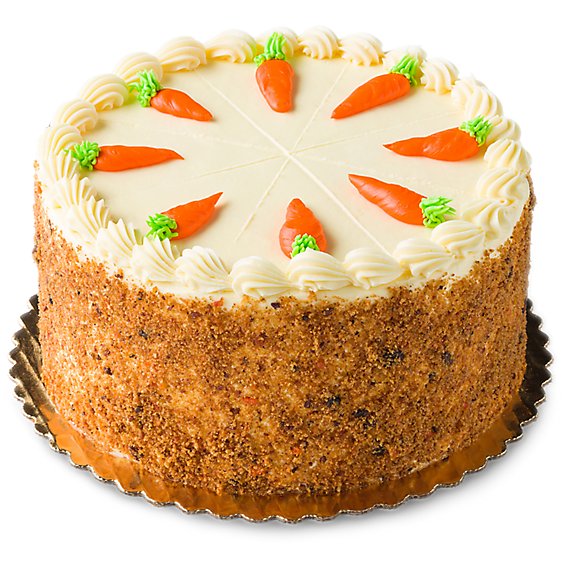
Is Bakery Cake 8 Inch 2 Layer Carrot - Each Vegetarian?
Scan products instantly
500K+ users • 4.6★ rating


Free download • No credit card
Scan products instantly
500K+ users • 4.6★ rating
Free download • No credit card
Ingredients
Sugar, Enriched Wheat Flour Bleached (Flour, Malted Barley Flour, Niacin, Reduced Iron, Thiamine Mononitrate Riboflavin, Folic Acid), Buttermilk, Whole Egg, Egg Whites, Partially Hydrogenated Vegetable Oil (Soybean, Cottonseed &/or Canola Oil), Leavening (Baking Soda, Sodium Aluminum Phosphate, Aluminum Sulfate), Natural & Artificial Flavor, Wheat Starch, Salt, Food Starch-Modified, Carrots, Propylene Glycol Monostearate, Cellulose Gum, Spice, Walnuts, Raisins, Dextrose, Mono & Diglycerides, Pineapple & Pineapple Juice, Caramel Color, Sodium Stearoyl Lactylate, Corn Starch, Propylene Glycol, Molasses, Soy Lecithin, Glycerin, High Fructose Corn Syrup, Carrageenan, Red 40, Red 3, Sorbitol, Sodium Benzoate & Potassium Sorbate, Corn Syrup, Agar, Citric Acid, Water, Sugar, Cream Cheese [Pasteurized Milk and Cream, Cheese Cultures, Salt, Stabilizers (Carob Bean Gum &/or Xanthan Gum &/or Guar Gum)], Margarine [Palm Oil, Soybean Oil, Water, Salt, Whey, Mono and Diglycerides, Sodium Benzoate, Beta Carotene, Artificial Flavor, Vitamin A Palmitate Added], Vegetable Oil (Palm, Soybean, Mono and Diglycerides, Polysorbate 60), Maltodextrin, Corn Starch, Water, Natural & Artificial Flavor (Milk, Soy), Food Starch-Modified, Salt, Soy Oil, Glucono Delta-Lactone, Benzoic Acid, Propyl Gallate (Antioxidant), Artificial Color, Sugar, Vegetable Oil (Partially Hydrogenated Soy & Cottonseed), Mono & Diglycerides, Corn Starch, Natural & Artificial Flavor, Salt, Guar Gum, Polysorbate 60, Artificial Color (Blue 1 or 2, Red 3 or 40, Yellow 5 or 6, Yellow 5 or 6 Lake), Water, Cream, Salt, Sugar, Water, Vegetable Oil (Palm, Canola), Corn Syrup, Cocoa (Processed with Alkali), Soy Oil, Mono and Diglycerides, Polysorbate 60, Salt, Soy Lecithin, Potassium Sorbate (Preservative), Citric Acid, Natural and Artificial Flavor, Coconut (Sodium Metabisulfite as a Preservative).
What is a Vegetarian diet?
A vegetarian diet eliminates meat, poultry, and fish but typically includes dairy, eggs, and plant-based foods. People adopt it for ethical, environmental, or health reasons. This diet emphasizes fruits, vegetables, legumes, grains, nuts, and seeds as key nutrient sources. Vegetarians often get protein from eggs, tofu, beans, and lentils. It can offer health benefits such as reduced risk of heart disease and improved weight management, though attention should be given to nutrients like iron, zinc, and vitamin B12. With proper planning, a vegetarian diet can be both nutritionally complete and sustainable.
Explore other diets
Often paired with Vegetarian
Also check for this product
Yes! We believe this product is Peanut free as there are no Peanut ingredients listed on the label.
Details →This product may or may not be nightshades free as it lists 1 ingredient that could contain nightshades depending on the source. We recommend contacting the manufacturer directly to confirm.
Details →Similar Products
Simple Mills Soft Baked Spiced Carrot Cake Almond Flour Bars, 5 Pk, 1.19 Oz Ea
DREAMIN' OF CHOCOLATE DELICIOUS, MELT IN YOUR MOUTH DARK & WHITE CHOCOLATE LAYER CAKE WITH LAYERS OF THE FINEST BELGIAN WHITE CHOCOLATE MOUSSE. TOPPED WITH DECADENT CHOCOLATE GANACHE., DREAMIN' OF CHOCOLATE
Bakery Fresh Goodness Plain Angel Food Cake
Evergreen Zucchini Carrot Cake 9 Mini Waffles
Antonina's Artisan Bakery Gluten Free Double Chocolate Single Layer Cake
Where to buy
Bakery Cake 8 Inch 2 Layer Carrot - Each is available at 3 retailers
About this product
Snack · Whole