
Is citracal Vegetarian?
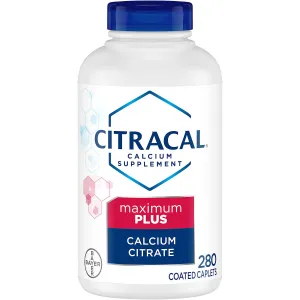
Description
Offers a bright citrus taste with a slightly chalky, tablet-like texture; chewable forms dissolve with a mild aftertaste while caplets are smooth and swallowed whole. Commonly taken daily with meals or separated doses; reviewers note pleasant flavor, occasional grittiness, variable tablet size, and convenience for regular use and straightforward packaging.
Scan products instantly
500K+ downloads • 4.6★ rating


Free download • No credit card
Why it's a maybe for vegetarian
- cholecalciferol
- vitamin d3
- propylene glycol dicaprlate dia um dioxide
- magnesium stearate
- +2 more
cholecalciferol
Dietitian noteCholecalciferol (also called Vitamin D3 or ergocalciferol) is typically derived from lanolin, which comes from sheep's wool, or from fish. However, it can be derived from synthetic sources. If the label does not provide a source, we recommend calling the manufacturer.
Note by Rhyan Geiger, RDN
+2 more in the app
Keep checking with Spoonful
Explore available ingredient explanations and check other groceries against your dietary needs.
Description
Offers a bright citrus taste with a slightly chalky, tablet-like texture; chewable forms dissolve with a mild aftertaste while caplets are smooth and swallowed whole. Commonly taken daily with meals or separated doses; reviewers note pleasant flavor, occasional grittiness, variable tablet size, and convenience for regular use and straightforward packaging.
Scan products instantly
500K+ downloads • 4.6★ rating
Free download • No credit card
Ingredients
Ain D 25 Mcg 1000 Caum 65050%Sodium 5,Uprodfents: Calcium Citrate, Polyethylene Glycol, Croscarmeloe Adion Than 21% Of: Copper Gluconate, Hydroxypropyl Methylcellulose Apesium Silicate, Magnesium Stearate, Manganese Gluconate Olgpr Aibed Inulin, Polyvinylpyrrolidone, Propylene Glycol Dicaprlate Dia Um Dioxide (Color), Vitamin D3 (Cholecalciferol), Zinc Oxide Wragnant, Breast-feeding, Taking Medication, Or Have Any 50% Ic Oper Gluconate Lene Yrrolidone, Propy Ical Condition Ask A Health Professional Before Use Eep Out Of Reach Of Children Adult Usn
Check citracal against your own diets in the app.
Take it with you
Scan to open citracal in Spoonful
Point your phone camera at the code, the app opens right on this product with its results against 26 diets, allergies and intolerances.


What is a Vegetarian diet?
A vegetarian diet eliminates meat, poultry, and fish but typically includes dairy, eggs, and plant-based foods. People adopt it for ethical, environmental, or health reasons. This diet emphasizes fruits, vegetables, legumes, grains, nuts, and seeds as key nutrient sources. Vegetarians often get protein from eggs, tofu, beans, and lentils. It can offer health benefits such as reduced risk of heart disease and improved weight management, though attention should be given to nutrients like iron, zinc, and vitamin B12. With proper planning, a vegetarian diet can be both nutritionally complete and sustainable.
Explore other diets
Often paired with Vegetarian
This product may or may not be vegan as it lists 6 ingredients that could derive from animals depending on the source. We recommend contacting the manufacturer directly to confirm.
Details →Yes! We believe this product is dairy free as there are no dairy ingredients listed on the label.
Details →About this product
Supplement · Piece