
Is Gluten Free Dinner Rolls, 7.7 oz Dairy Free?
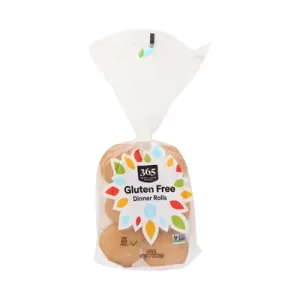
Description
Soft interior and slightly firm exterior, offering a mild savory taste; commonly warmed or toasted before serving. Often used alongside soups, salads, or for small sandwiches. Customer feedback frequently mentions consistent flavor but mixed opinions on moisture and density; some prefer reheating to restore tenderness, and occasional packaging concerns also.
Scan products instantly
500K+ users • 4.6★ rating


Free download • No credit card
Description
Soft interior and slightly firm exterior, offering a mild savory taste; commonly warmed or toasted before serving. Often used alongside soups, salads, or for small sandwiches. Customer feedback frequently mentions consistent flavor but mixed opinions on moisture and density; some prefer reheating to restore tenderness, and occasional packaging concerns also.
Scan products instantly
500K+ users • 4.6★ rating
Free download • No credit card
Ingredients
Water, Modified Tapioca Starch, Potato Starch, Cornstarch, Sunflower Seed Oil, Brown Rice Flour, Cane Sugar, Psyllium Husk, Buckwheat Flour, Yeast, Dextrose, Pea Fiber, Distilled White Vinegar, Sea Salt, Modified Cellulose, Powdered Egg Whites, Rice Bran, Cultured Cane Sugar, Baking Powder (Sodium Acid Pyrophosphate, Sodium Bicarbonate, Cornstarch, Monocalcium Phosphate), Cellulose Gum.
Check Gluten Free Dinner Rolls, 7.7 oz against your own diets in the app.
Take it with you
Scan to open Gluten Free Dinner Rolls, 7.7 oz in Spoonful
Point your phone camera at the code, the app opens right on this product with its results against 26 diets, allergies and intolerances.


What is a Dairy Free diet?
A dairy-free diet eliminates all foods made from or containing milk and milk-derived ingredients, such as butter, cheese, yogurt, and cream. It's essential for people with lactose intolerance, milk allergies, or those who prefer plant-based alternatives. Common dairy substitutes include almond, soy, oat, and coconut-based milks and cheeses. While dairy is a major source of calcium and vitamin D, these nutrients can be replaced through fortified foods or supplements. Many people find going dairy-free helps reduce digestive issues, acne, or inflammation, but balance and proper nutrient intake remain key for long-term health.
Explore other diets
Often paired with Dairy Free
Similar Products
Where to buy
Gluten Free Dinner Rolls, 7.7 oz is available at 1 retailer
About this product
Bread · Roll