
Is Little Northern Bakehouse Plain Bagels Gluten Free Alpha-Gal Friendly?
Description
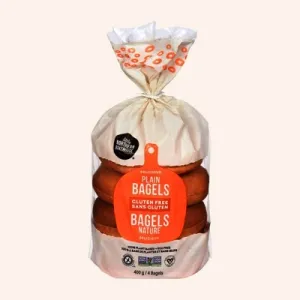
Little Northern Bakehouse plain bagels are artisan gluten-free bagels that are 100% plant-based and do not contain eggs. They have a 7-day shelf life and are known for their delicious taste. People appreciate that these bagels do not just taste like regular bagels and are suitable for vegans. The slices are large, making them perfect for sandwiches. Additionally, these bagels hold up well to grilling, adding versatility to their use. Overall, Little Northern Bakehouse plain bagels are a popular choice among individuals seeking a gluten-free and vegan option that does not compromise on taste or quality.
Scan products instantly
500K+ users • 4.6★ rating


Free download • No credit card
Description
Little Northern Bakehouse plain bagels are artisan gluten-free bagels that are 100% plant-based and do not contain eggs. They have a 7-day shelf life and are known for their delicious taste. People appreciate that these bagels do not just taste like regular bagels and are suitable for vegans. The slices are large, making them perfect for sandwiches. Additionally, these bagels hold up well to grilling, adding versatility to their use. Overall, Little Northern Bakehouse plain bagels are a popular choice among individuals seeking a gluten-free and vegan option that does not compromise on taste or quality.
Scan products instantly
500K+ users • 4.6★ rating
Free download • No credit card
Ingredients
Water, gluten free Flour blend (modified tapioca starch, brown rice flour, potato starch, corn starch), sugars (cane sugar), sunflower oil, psyllium husk, baking powder, pea fibre, salt, modified cellulose, rice bran, yeast, cellulose gum, cultured cane sugar.
Check Little Northern Bakehouse Plain Bagels Gluten Free against your own diets in the app.
Take it with you
Scan to open Little Northern Bakehouse Plain Bagels Gluten Free in Spoonful
Point your phone camera at the code, the app opens right on this product with its results against 26 diets, allergies and intolerances.


What is a Alpha-Gal Friendly diet?
An Alpha-Gal diet eliminates mammalian meat and products containing mammalian-derived ingredients to prevent allergic reactions in people with alpha-gal syndrome. This includes beef, pork, lamb, dairy products, gelatin, and certain medications derived from mammals. The condition involves a specific sugar molecule found in most mammals, often triggered after a tick bite. People may experience delayed allergic reactions 3-6 hours after consuming trigger foods. The diet focuses on safe alternatives like poultry, fish, and plant-based proteins. When followed carefully, often with guidance from an allergist or dietitian, it can prevent serious reactions while maintaining adequate nutrition.
Explore other diets
Often paired with Alpha-Gal Friendly
Similar Products
Where to buy
Little Northern Bakehouse Plain Bagels Gluten Free is available at 2 retailers
About this product
Bread · Roll, Piece