
Is CHOCOLATE CHIP PEANUT CRUNCH ENERGY BAR, CHOCOLATE CHIP PEANUT CRUNCH Low FODMAP?
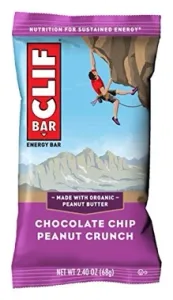
Description
The chocolate chip peanut crunch energy bar has garnered positive feedback from reviewers. They describe it as delicious, crunchy, and praise the combination of chocolate and peanut butter flavors. Additionally, reviewers believe this snack is well-suited for athletes and is a good option for a quick bite. Overall, this energy bar seems to be a satisfying and nutritious choice, according to the provided information.
Scan products instantly
500K+ users • 4.6★ rating


Free download • No credit card
Why it's not low FODMAP
- organic date paste
- inulin
- chicory extract
- organic soy flour
- organic milled flaxseed
- natural flavors
- chocolate chips
- organic roasted soybeans
- +2 more
organic date paste
Dietitian noteDates and many other dried fruits are high FODMAP at a normal serving size. The drying process concentrates fructose and can also create fructans.

Note by Vanessa Vargas, RDN, LDN
Use instead
- unripe banana
- kiwi
- lime
- mandarin
+6 more in the app
Keep checking with Spoonful
Explore available ingredient explanations and check other groceries against your dietary needs.
Description
The chocolate chip peanut crunch energy bar has garnered positive feedback from reviewers. They describe it as delicious, crunchy, and praise the combination of chocolate and peanut butter flavors. Additionally, reviewers believe this snack is well-suited for athletes and is a good option for a quick bite. Overall, this energy bar seems to be a satisfying and nutritious choice, according to the provided information.
Scan products instantly
500K+ users • 4.6★ rating
Free download • No credit card
Ingredients
Organic Brown Rice Syrup, Clifpro (Soy Rice Crisps (Soy Protein Isolate, Rice Flour, Barley Malt Extract), Organic Soy Flour, Organic Roasted Soybeans), Organic Rolled Oats, Organic Evaporated Cane Juice, Organic Peanut Butter (Organic Peanuts, Salt), Chocolate Chips (Evaporated Cane Juice, Unsweetened Chocolate, Cocoa Butter, Soy Lecithin, Natural Flavors), Peanuts, Peanut Flour, Clifcrunch (Apple Fiber, Organic Oat Fiber, Organic Milled Flaxseed, Inulin (Chicory Extract), Psyllium), Organic Date Paste, Natural Flavors, Sea Salt, Vitamins & Minerals: Dicalcium Phosphate, Magnesium Oxide, Ascorbic Acid (Vit, C), Tocopheryl Acetate (Vit, E), Ferric Orthophosphate (Iron), Beta Carotene (Vit, A), Zinc Citrate, Phytonadione (Vit, K1), Biotin, Niacinamide (Vit, B3), Calcium Pantothenate (Vit, B5), Potassium Iodide, Manganese Gluconate, Copper Gluconate, Sodium Selenite, Thiamin (Vit, B1), Chromium Chloride, Cyanocobalamin (Vit, B12), Sodium Molybdate, Folic Acid (Vit, B9), Riboflavin (Vit, B2), Pyridoxine Hydrochloride (Vit, B6)
Check CHOCOLATE CHIP PEANUT CRUNCH ENERGY BAR, CHOCOLATE CHIP PEANUT CRUNCH against your own diets in the app.
Take it with you
Scan to open CHOCOLATE CHIP PEANUT CRUNCH ENERGY BAR, CHOCOLATE CHIP PEANUT CRUNCH in Spoonful
Point your phone camera at the code, the app opens right on this product with its results against 26 diets, allergies and intolerances.


What is a Low FODMAP diet?
A Low FODMAP diet limits foods high in certain short-chain carbohydrates (FODMAPs) that can be poorly absorbed in the gut. These include specific sugars found in foods like onions, garlic, beans, apples, and wheat. It's commonly followed by people with irritable bowel syndrome (IBS) or other digestive sensitivities to reduce bloating, gas, and discomfort. The diet typically involves an elimination phase, followed by gradual reintroduction to identify personal triggers. When followed carefully, often with a dietitian's guidance, a Low FODMAP diet can help manage symptoms while maintaining a balanced and varied intake of nutrients.
Explore other diets
Often paired with Low FODMAP
Similar Products
Where to buy
CHOCOLATE CHIP PEANUT CRUNCH ENERGY BAR, CHOCOLATE CHIP PEANUT CRUNCH is available at 18 retailers
About this product
Protein Bar · Bar