
Is Kirkland Prenatal Advanced Care Low FODMAP?

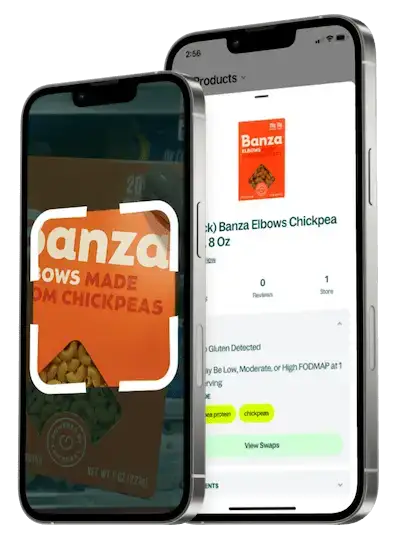
Stop Searching. Start Scanning.
Get instant results with our mobile app
Instant barcode scanning
No typing needed
Multiple diet tracking
Combine as many as you need
Favorite products & lists
Save time on every shop
⭐️⭐️⭐️⭐️⭐️
Join 500,000+ happy shoppers


Free to download • No credit card required
Ingredients
Vitamin A (as Retinol, Beta-carotene) 5000 Iu, Vitamin C (as Ascorbic Acid), Vitamin D-3 (as Cholecalciferol) 2000 Iu, Vitamin E (as Alpha-tocopherol) (sunflower), Vitamin K1 (as Phylloquinone), Vitamin B1 (as Thiamine Mononitrate), Vitamin B2 (as Riboflavin, Riboflavin-5-phosphate), Vitamin B3 (as Niacinamide), Vitamin B6 (as Pyridoxine Hcl), Folate (as L/6s-5-mthf Ca) (folic Acid 918 Mcg), Vitamin B12 (as Cyanocobalamin), Biotin, Vitamin B5 (as Calcium Pantothenate), Calcium (from Calcium Carbonate), Iron (from Ferrous Bisglycinate Chelate), Iodine (from Potassium Iodide), Magnesium (from Magnesium Oxide), Zinc (from Zinc Citrate), Selenium (from Selenium Glycinate Complex), Copper (from Cupric Oxide), Manganese (from Manganese Citrate), Chromium (from Chromium Nicotinate Glycinate Chelate), Molybdenum (from Molybdenum Glycinate).
Stop Searching. Start Scanning.
Get instant results with our mobile app
Instant barcode scanning
No typing needed
Multiple diet tracking
Combine as many as you need
Favorite products & lists
Save time on every shop
⭐️⭐️⭐️⭐️⭐️
Join 500,000+ happy shoppers
Free to download • No credit card required
What is a Low FODMAP diet?
A Low FODMAP diet limits foods high in certain short-chain carbohydrates (FODMAPs) that can be poorly absorbed in the gut. These include specific sugars found in foods like onions, garlic, beans, apples, and wheat. It's commonly followed by people with irritable bowel syndrome (IBS) or other digestive sensitivities to reduce bloating, gas, and discomfort. The diet typically involves an elimination phase, followed by gradual reintroduction to identify personal triggers. When followed carefully, often with a dietitian's guidance, a Low FODMAP diet can help manage symptoms while maintaining a balanced and varied intake of nutrients.