
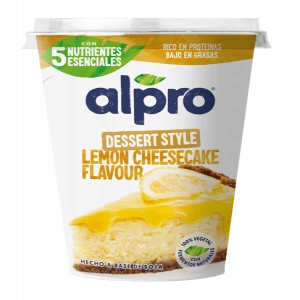
Is Lemon Cheesecake Yogurt Alpha-Gal Friendly?
Scan products instantly
500K+ users • 4.6★ rating


Free download • No credit card
Why it's not alpha-gal friendly
- naturally lactose
- yoghurt cultures
- b2
- b12
- fatty acid esters of ascorbic acid
naturally lactose
Dietitian noteLactose (sometimes referred to as saccharum lactin) is a type of sugar found naturally in the milk of most mammals, and thus contains alpha-gal.

Note by Team Spoonful, Clinical nutrition experts
+1 more in the app
Keep checking with Spoonful
Explore available ingredient explanations and check other groceries against your dietary needs.
Scan products instantly
500K+ users • 4.6★ rating
Free download • No credit card
Ingredients
Soyabasis (86.5%) (water, peeled soybeans (9.9%)), sugar, lemon juice from lemon juice concentrate (1.7%), lemon (1.1%), glucose-fructose syrup, calcium (tricalcium citrate), stabiliser (pectins), acidity regulators (citric acid, nature). riumcitrate), modified starch, sea salt, aroma, antioxidant (strong tocopherol extracts, fatty acid esters of ascorbic acid), vitamins (B2, D2, B12), yoghurt cultures (S. thermophilus, L. bulgaricus) <p>Bold = allergen labeling. </p><p>Naturally low in fat and low in saturated fat. Rich in vegetable protein. May contain traces of nuts (not peanuts). Naturally lactose and gluten free </p> Contains Soy.
Check Lemon Cheesecake Yogurt against your own diets in the app.
Take it with you
Scan to open Lemon Cheesecake Yogurt in Spoonful
Point your phone camera at the code, the app opens right on this product with its results against 26 diets, allergies and intolerances.


What is a Alpha-Gal Friendly diet?
An Alpha-Gal diet eliminates mammalian meat and products containing mammalian-derived ingredients to prevent allergic reactions in people with alpha-gal syndrome. This includes beef, pork, lamb, dairy products, gelatin, and certain medications derived from mammals. The condition involves a specific sugar molecule found in most mammals, often triggered after a tick bite. People may experience delayed allergic reactions 3-6 hours after consuming trigger foods. The diet focuses on safe alternatives like poultry, fish, and plant-based proteins. When followed carefully, often with guidance from an allergist or dietitian, it can prevent serious reactions while maintaining adequate nutrition.