
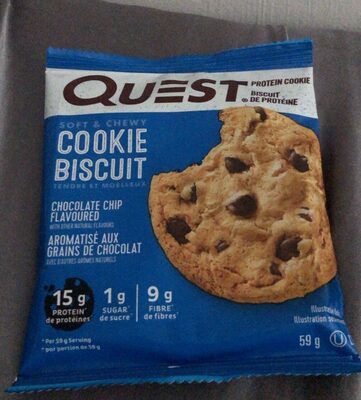
Is biscuit de protéine Gluten Free?
Scan products instantly
500K+ users • 4.6★ rating


Free download • No credit card
Why it's a maybe for gluten free
- natural flavours
natural flavours
Dietitian noteFlavors and flavoring in food can be derived from a variety of sources, some of which may contain gluten. Unless the label states that the product is gluten-free, we recommend you verify with the manufacturer.

Note by Team Spoonful, Clinical nutrition experts
Keep checking with Spoonful
Explore available ingredient explanations and check other groceries against your dietary needs.
Scan products instantly
500K+ users • 4.6★ rating
Free download • No credit card
Ingredients
Protein blend (milk protein isolate, whey protein isolate), Butter, Polydextrose (fibre) (9 g per 59 g serving), Erythritol, Modified palm oil, Unsweetened chocolate, Water, Calcium caseinate, Cocoa butter, Glycerin, Sodium caseinate, Natural flavours, Sunflower lecithin, Canola lecithin, and/or Soy lecithin, Sea salt, Baking soda, Xanthan gum, Stevia extract. Contains: Milk, Soy. Processed in a facility that also processes eggs, wheat, almonds, and peanuts. Ingrédients : Mélange de protéines (isolat de protéine de lait, isolat de protéine de lactosérum), Beurre, Polydextrose (fibre) (9 g par portion de 59 g), Érythritol, Huile de palme modifiée, Chocolat non sucré, Eau, Caséinate de calcium, Beurre de cacao, Glycérine, Caséinate de sodium, Arômes naturels, Lécithine de tournesol, lécithine de canola et/ou lécithine de soja, Sel de mer, Bicarbonate de soude, Gomme xanthane, Extrait de stevia. Contient: Lait, Soja. Traité dans une usine qui traite également des oeufs, du blé, des amandes et des arachides.
Check biscuit de protéine against your own diets in the app.
Take it with you
Scan to open biscuit de protéine in Spoonful
Point your phone camera at the code, the app opens right on this product with its results against 26 diets, allergies and intolerances.


What is a Gluten Free diet?
A gluten-free diet excludes all foods containing gluten, a protein found in wheat, barley, rye, and their derivatives. It's essential for people with celiac disease, gluten intolerance, or wheat allergy, as consuming gluten can trigger inflammation and digestive issues. Common gluten-containing foods include bread, pasta, cereals, and baked goods, though many gluten-free alternatives now exist using rice, corn, or almond flour. Beyond medical necessity, some people choose a gluten-free lifestyle for perceived health benefits, though experts emphasize the importance of maintaining a balanced diet rich in fiber, vitamins, and minerals when eliminating gluten-containing grains.
Explore other diets
Often paired with Gluten Free
No. This product is not dairy free as it lists 6 ingredients that contain dairy.
Details →No. This product is not low FODMAP as it lists 1 ingredient that is likely high FODMAP at 1 serving and 4 ingredients that could be moderate or high FODMAP depending on source or serving size.
Details →Similar Products
About this product
Cookie · Piece