
Is Makoto Yum Yum Sauce, 9 fl oz Vegetarian?
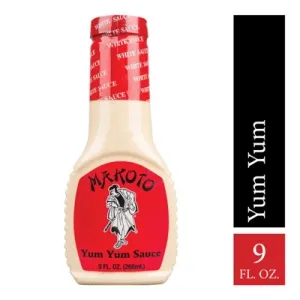
Description
Creamy, smooth and thick, this Japanese-style dipping sauce offers a sweet-savory flavor with mild tang and subtle umami notes. Commonly also used as a dip for seafood and vegetables, a drizzle over rice bowls and sushi, or a finishing sauce for grilled meats. Reviews praise versatility; occasional notes mention sweetness
Scan products instantly
500K+ users • 4.6★ rating


Free download • No credit card
Why it's a maybe for vegetarian
- calcium disodium edta to protect flavor
- natural flavor with caramel color
calcium disodium edta to protect flavor
Dietitian noteCalcium can be derived from fish or plant sources. If the label does not provide a source, we recommend calling the manufacturer.

Note by Rhyan Geiger, RDN
Keep checking with Spoonful
Explore available ingredient explanations and check other groceries against your dietary needs.
Description
Creamy, smooth and thick, this Japanese-style dipping sauce offers a sweet-savory flavor with mild tang and subtle umami notes. Commonly also used as a dip for seafood and vegetables, a drizzle over rice bowls and sushi, or a finishing sauce for grilled meats. Reviews praise versatility; occasional notes mention sweetness
Scan products instantly
500K+ users • 4.6★ rating
Free download • No credit card
Ingredients
Mayonnaise (Soybean Oil, Egg Yolk, Water, High Fructose Corn Syrup, Vinegar, Contains Less Than 2% Of: Salt, Spice, Calcium Disodium Edta To Protect Flavor), Water, Sugar, Apple Cider Flavored Vinegar (Distilled Vinegar From Grain, Natural Flavor With Caramel Color), Spices, Tomato Paste (Tomatoes), Butter, Garlic, Salt, Soybean Oil, Garlic Powder
Check Makoto Yum Yum Sauce, 9 fl oz against your own diets in the app.
Take it with you
Scan to open Makoto Yum Yum Sauce, 9 fl oz in Spoonful
Point your phone camera at the code, the app opens right on this product with its results against 26 diets, allergies and intolerances.


What is a Vegetarian diet?
A vegetarian diet eliminates meat, poultry, and fish but typically includes dairy, eggs, and plant-based foods. People adopt it for ethical, environmental, or health reasons. This diet emphasizes fruits, vegetables, legumes, grains, nuts, and seeds as key nutrient sources. Vegetarians often get protein from eggs, tofu, beans, and lentils. It can offer health benefits such as reduced risk of heart disease and improved weight management, though attention should be given to nutrients like iron, zinc, and vitamin B12. With proper planning, a vegetarian diet can be both nutritionally complete and sustainable.
Explore other diets
Often paired with Vegetarian
Similar Products
Where to buy
Makoto Yum Yum Sauce, 9 fl oz is available at 1 retailer
About this product
Sauce · Bottle, Liquid